


Timeline
Timeline
1960
2025
>>


1960
1960
A Vision Takes Root
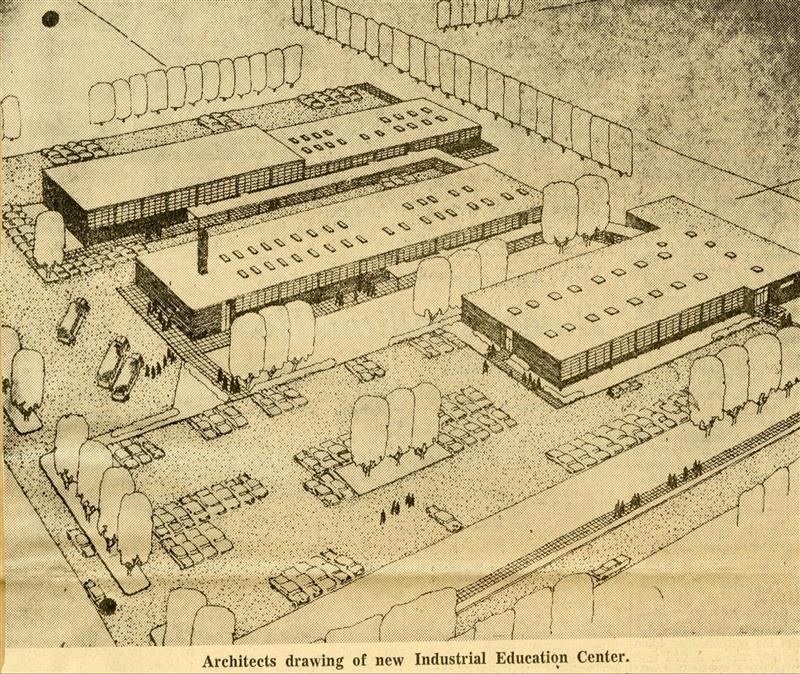
In 1960, the Winston-Salem/Forsyth County Industrial Education Center opened its doors—part of a national movement to bring education closer to home. Sparked by post-WWII demand and the GI Bill, community colleges began springing up across the country.
The Higher Education Act of 1965 created the Pell Grant and federal student loans, expanding access for millions. These efforts aligned with a new kind of college—one built for the community, by the community.
Our institution began with a simple but powerful mission: to make opportunity accessible. That mission still guides us today.
1960
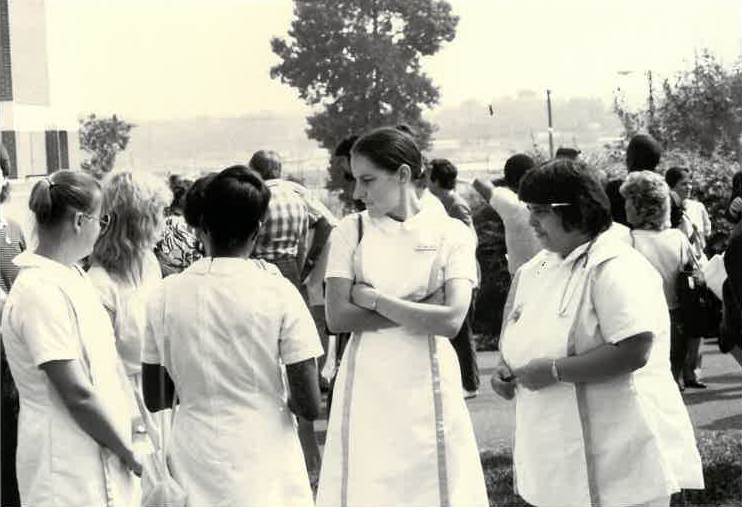
First classes held at Winston-Salem/Forsyth County Industrial Education Center.
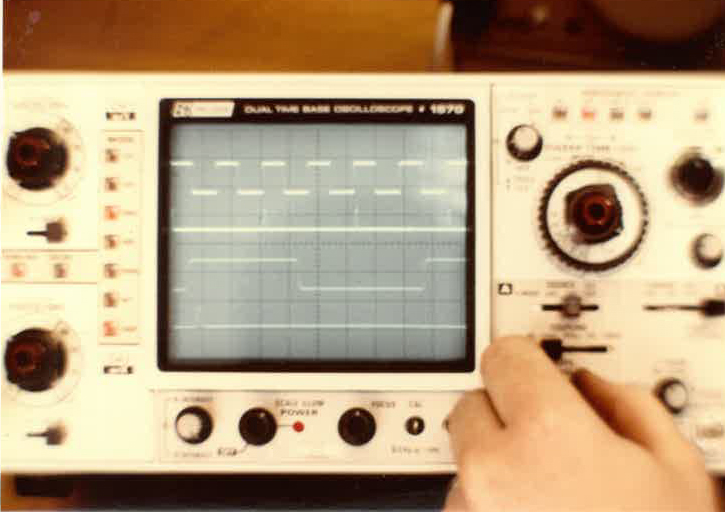
Courses: Automotive mechanics, machine shop, electronics, practical nursing.

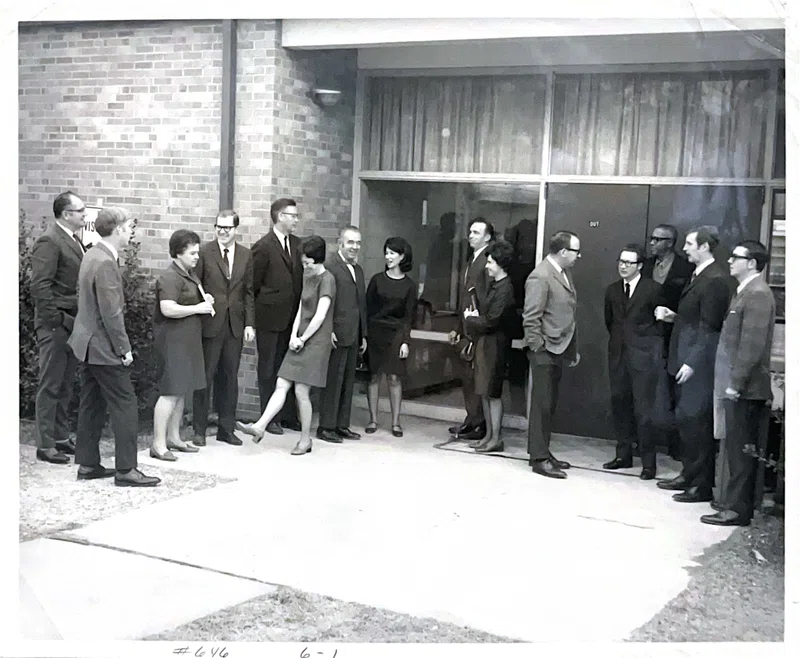
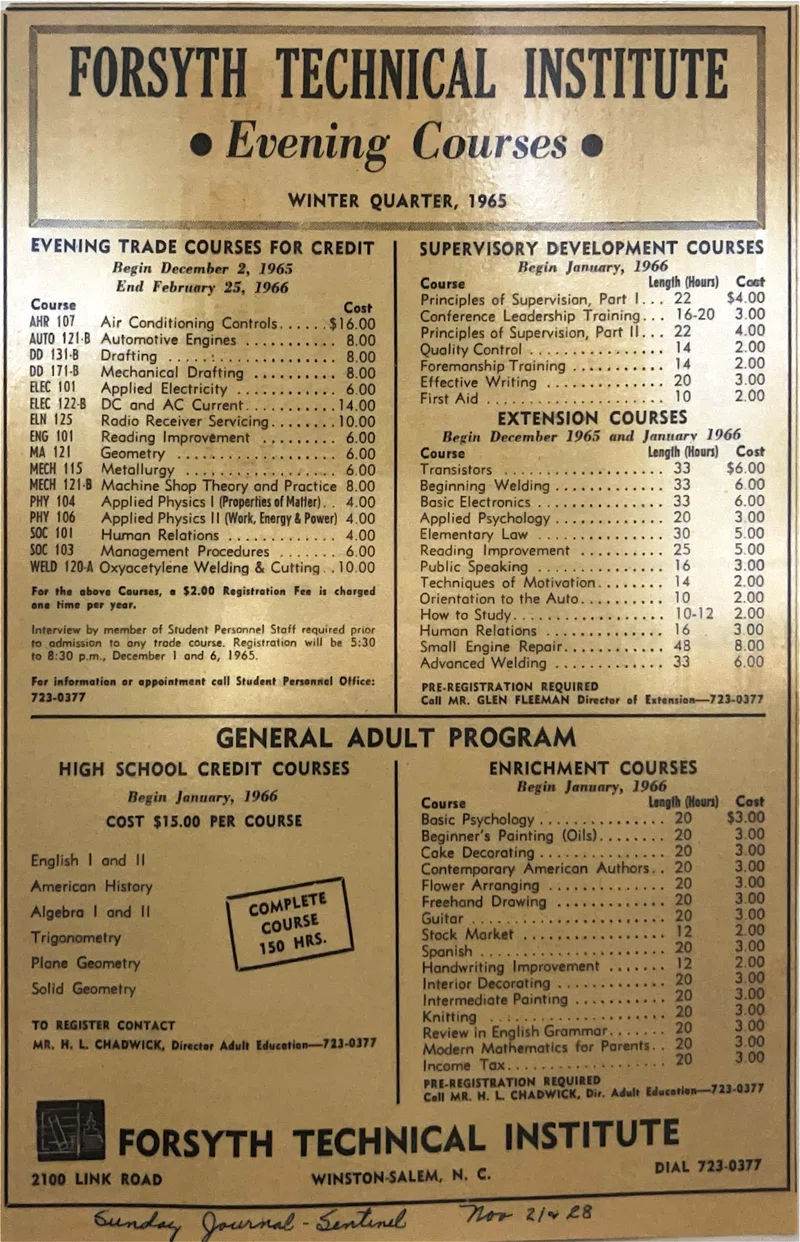
1964
Renamed Forsyth Technical Institute.
New programs: General Adult Enrichment Courses.

1963
NC Department of Community Colleges established; center joins system.


1965
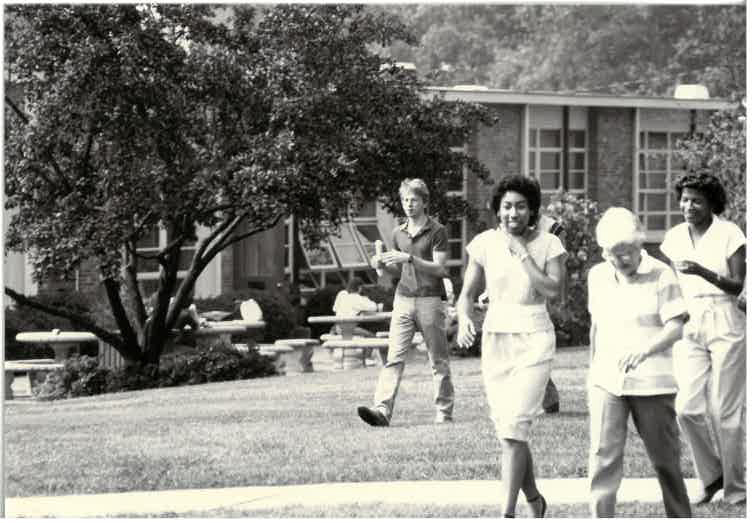
Adult Basic Education begins.

1970
1970
Expanding Access
The 1970s brought continued growth. Across North Carolina and the U.S., community colleges solidified their place in the higher education landscape.
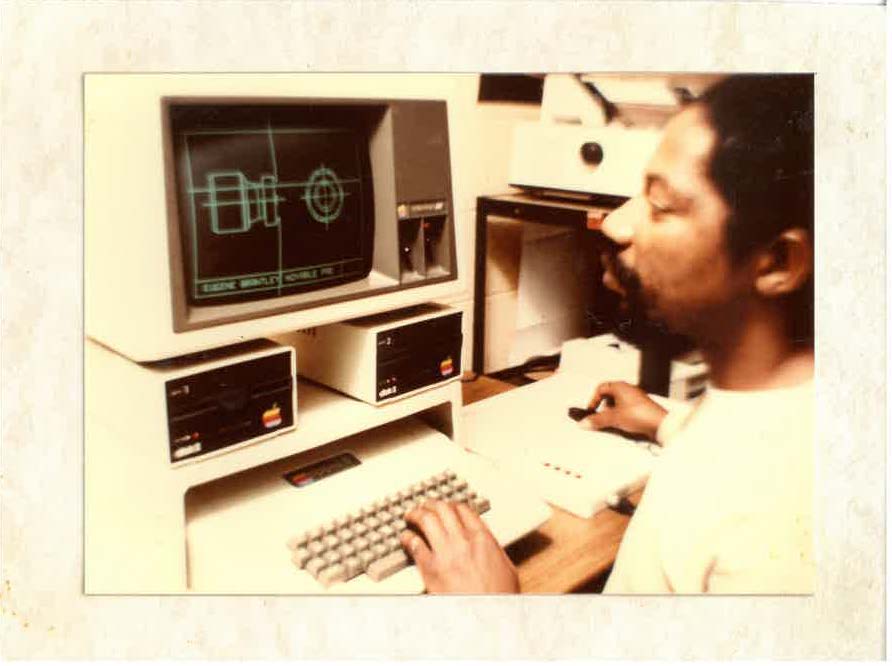
At Forsyth Tech, the dream of accessible education continued to spread. Programs grew. Enrollment increased. The college prepared students for a changing economy, with a focus on practical skills and career pathways.
We were part of a national promise—to educate, uplift, and empower.
1971–1972
Allied health program launches (nuclear medicine, radiological technology, respiratory therapy).
1974
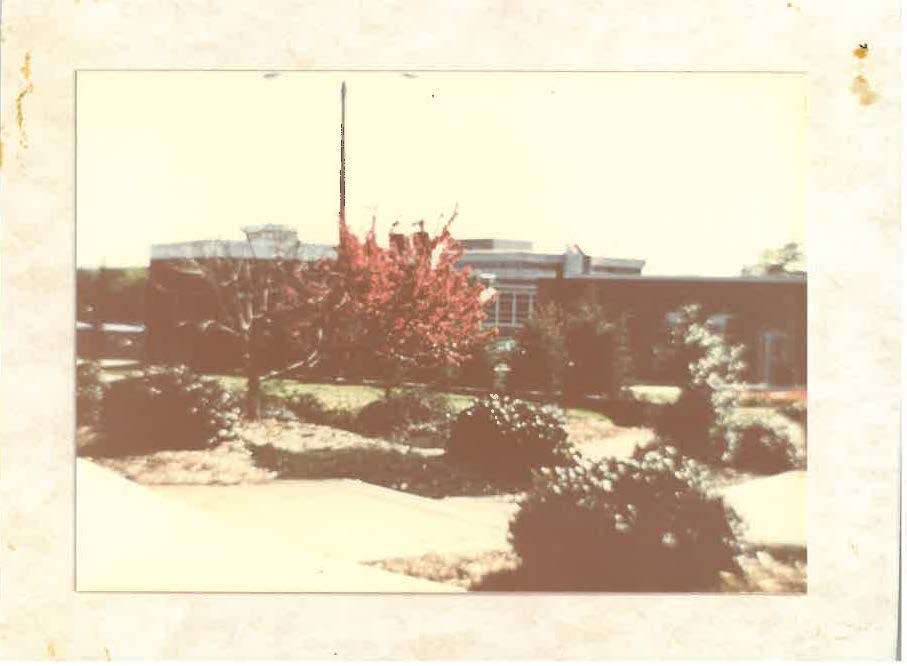
College Foundation established to raise funds for buildings, programs, scholarships.


1980
1980
Growth and Transformation
By the 1980s, community colleges were central to American education, with over 4.5 million students enrolled nationwide.
At Forsyth Tech, Hauser Hall was added to support a growing student body. But expansion wasn’t just physical—it was philosophical. Colleges began focusing on student services, partnerships, and lifelong learning.
Community colleges became cultural hubs, offering lectures, art, and film. Education expanded beyond classrooms to enrich entire communities.
1980
Dalton Junior High acquired → becomes West Campus.
New building: Hauser Hall (main campus).
1985
Name changes to Forsyth Technical College.
1987
Name changes to current Forsyth Technical Community College (Forsyth Tech).
1989
College Transfer Program begins.
1980
1980
A Vision Takes Root
In 1960, the Winston-Salem/Forsyth County Industrial Education Center opened its doors—part of a national movement to bring education closer to home. Sparked by post-WWII demand and the GI Bill, community colleges began springing up across the country.
The Higher Education Act of 1965 created the Pell Grant and federal student loans, expanding access for millions. These efforts aligned with a new kind of college—one built for the community, by the community.
Our institution began with a simple but powerful mission: to make opportunity accessible. That mission still guides us today.
1991
Bob Greene Hall opens (classrooms & labs).
1996
Corporate & Continuing Education Division (now Economic & Workforce Development) opens two downtown training sites.
One remains: Small Business Center.
1992
Allman Center opens (classrooms & admin space).
1998
Mazie S. Woodruff Center (Northeast Winston-Salem) and Grady P. Swisher Center (Kernersville) open.
2000
2000
Building Momentum
The 2000s were a time of rapid expansion. Forsyth Tech added new locations—including the Stokes County Center, West Campus, the Transportation Technology Center, and the Mazie S. Woodruff Center.
On Main Campus, the Robert L. Strickland Center became a new hub for students.
Nationwide, community colleges focused on results: graduation rates, workforce partnerships, and student success. At Forsyth Tech, we built not just buildings, but better pathways to brighter futures.
2003
President George W. Bush visits Forsyth Tech, participating in a panel discussion on jobs and the economy.
2006
Technology & Student Services Building (87,000 sq. ft.) opens.
Also: Dental lab & clinic added to Snyder Hall.
2009
First named schools: Paul M. Wiles School of Nursing and Len B. Preslar, Jr. School of Allied Health.
2008
Northwest Forsyth Center (40,000 sq. ft., King) opens for public safety and technical programs.
2010
2010
Innovation with Purpose
The 2010s brought bold new steps in education. At Forsyth Tech, we strengthened partnerships with employers, enhanced career coaching, and expanded online learning.
We offered more tutoring, more financial aid, and more support to help students thrive. With programs spanning healthcare, skilled trades, IT, and more, we trained the workforce of tomorrow.
This decade was defined by one goal: making sure every student could succeed.
2012
Transportation Technology Center (139,000 sq. ft.) opens, housing multiple automotive and racing programs.
Also: Nursing program named Joyce E. Glass Associate Degree Nursing Program.
2010
President Barack Obama visits Forsyth Tech to deliver a speech.
2013
Oak Grove Center Phase One, now known as the Robert L. Strickland Center, opens (classrooms, offices, auditorium, bookstore, TV & radio studios).
2014
New Innovation Quarter center opens (Business & Industry Services, Small Business Center).
2019
Janet N. Spriggs becomes the seventh president of Forsyth Tech.
2015
Oak Grove Center Phase Two opens (conference center, admissions, student services, labs for trades programs, clean lab, Process Improvement Lab).
2020 - 2025
2020 - 2025
Resilience in Uncertain Times
The 2020s began with global uncertainty—but Forsyth Tech stayed strong. In the face of a pandemic, we adapted quickly: shifting courses online, supporting students remotely, and maintaining our commitment to equity.
We emphasized mental health, food security, and financial aid—knowing that education only works when students feel supported.
Through resilience and innovation, we continued to open doors and change lives.
Building for the Future
As Forsyth Tech celebrates 65 years, we’re more future-focused than ever. We’ve broken ground on new construction, including a major expansion to our Transportation Technology Center.
We’ve launched athletics for the first time in our history. We’ve added new apprenticeships, workforce partnerships, and support systems to meet the region’s needs.
Our name may say “Tech,” but our heart is community. The next chapter is already being written—with every student who walks through our doors.
2020
Forsyth Tech Cares launches
Forsyth Tech subsumes (NEED A BETTER WORD) College Lift
2023
Forsyth Tech rebrands and announces an official mascot, Blaze, a fierce, female two-toned gray fox.
The Mazie S. Woodruff Aviation Technology Lab opens.
2022
Governor Roy Cooper visits Forsyth Tech to announce free college initiatives for qualifying North Carolinians.
Enrollment at Forsyth Tech reaches a 5-year high.
The Southern Association of Colleges and Schools Commission on Colleges (SACSCOC) visits Forsyth Tech to assess the new Quality Enhancement Plan, Course to Career, which guides the college’s commitment to student success over a 10-year period.
2023
The Learn and Earn Apprenticeship Program, aka LEAP, was named an official U.S. Department of Labor Ambassador, reflecting the college’s dedication to workforce development.
2023 – Forsyth Tech launches a new, mobile-first website.
2024
First Lady of the United States, Dr. Jill Biden, visits Forsyth Tech with NSR Director Sethuraman Panchanthan, to announce Innovation Engines in NC.
Forsyth Tech named an Achieving the Dream Leader College
More than 70,000 square feet of newly renovated space opens in the Robert L. Strickland Center, providing a one-stop-shop for students.
Forsyth Tech launches athletics and artificial intelligence-related initiatives.
2025
Governor Josh Stein visits Forsyth Tech’s Transportation Technology Center to announce Council on Workforce and Apprenticeship.



result

MENU
Home

President Spriggs Hails Record Year As Forsyth Tech Turns 65
Trailblazer Athletics Launches new Era at Forsyth Tech
A Note From Our Board of Trustees
A Note From Our Foundation Board
College Lift wins Heisman of Community Colleges
Education Design Lab
Welcome Week
High School Students Earn Associate Degree, Debt-Free!
Forsyth Tech Tailors Support to Every Student
Greater Winston-Salem,Inc. Letter to the Editor
I am Poem
Comic Strip
Crossword
Timeline
Classifieds
Honoring Dr. Martin Luther King, Jr.
Black History Month Celebrates Local History
Forsyth Tech Celebrates Academic Partnerships
Trailblazer Achievements and Awards
State’s Highest Officials Visit Forsyth Tech
Serving Forsyth and Stokes Counties
Foundation Gifts Help Trailblazers Rise and Thrive
Forsyth Tech Cares Serves 3,500 Students and Counting
Partnerships Turn Forsyth Tech Classrooms Into Careers
Apprenticeships Take Big Leap at Forsyth Tech
From Fall Fest to Spring Fling, Spirit Soars at Forsyth Tech
New Gym, Commons Highlight Campus Growth at Forsyth Tech
Forsyth Tech leads State in Community College Health Programs
Record-Setting Commencement – Largest in Forsyth Tech History!
Financials
Ask Foundation Frannie
Donors
A vision for skills and success: Mary Tucker’s commitment to Forsyth Tech
The Aspen Prize for Community College Excellence
Letter to the Editor From Edwin L. Welch, Jr.
Vision 2030
National Recognition from the Aspen Institute Highlights Forsyth Tech’s Commitment to Student Success
Trailblazer Taste Buds